
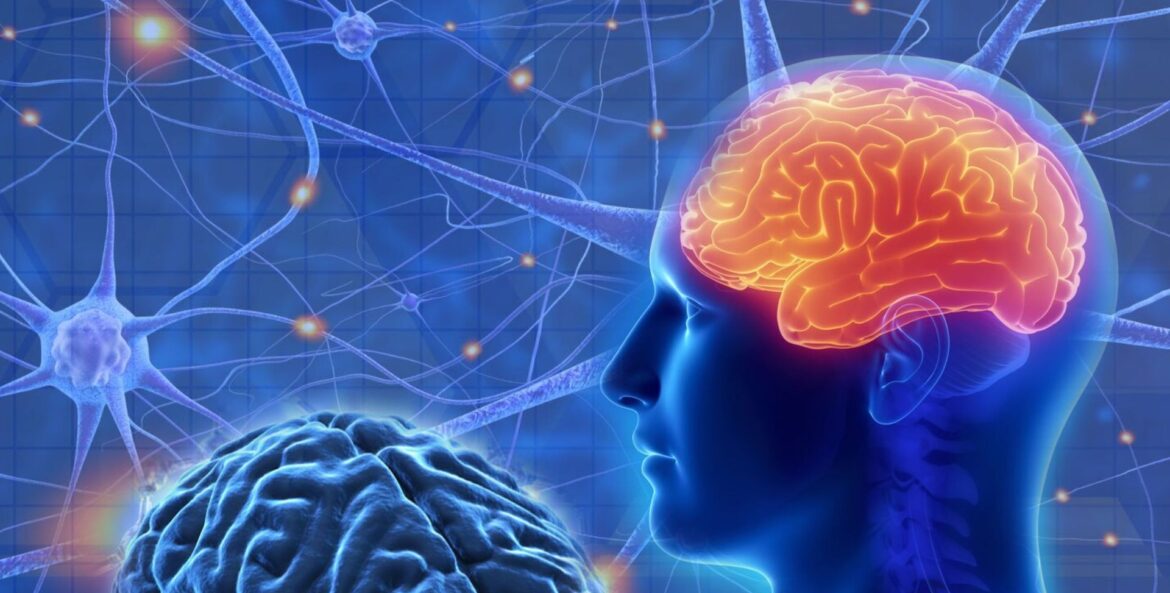
Symptoms of neurological disorders: A wide range of neurological conditions can affect the nervous system, including the brain, spinal cord, and peripheral nerves. These disorders can manifest in various ways, leading to a wide range of symptoms. Let us explore the most common symptoms associated with neurological disorders. Understanding these symptoms can help individuals recognize when they may need to seek medical attention and intervention.
Neurological disorders can affect people of all ages and can be caused by various factors, including genetics, infections, trauma, and autoimmune diseases. While the symptoms can vary greatly depending on the specific disorder, some common signs often manifest.
Symptoms of Neurological Disorders
Headaches and Migraines
One of the most frequent neurological symptoms is headaches. While occasional headaches are common, recurrent, severe, or chronic headaches can be indicative of an underlying neurological issue. Migraines, characterized by intense throbbing pain, are another common neurological symptom.
Seizures
Seizures occur when there is abnormal electrical activity in the brain. They can manifest as convulsions, altered consciousness, and unusual movements. Epilepsy is a well-known condition characterized by recurrent seizures.
Numbness and Tingling
The sensation of numbness and tingling in the body, often referred to as paresthesia, can be a sign of nerve damage or dysfunction. It can affect any part of the body and may be temporary or chronic.
Muscle Weakness
Muscle weakness is another prevalent symptom of neurological disorders. It can range from mild weakness to complete paralysis and can affect one or more limbs.
Loss of Coordination
Neurological disorders can impact coordination and balance. Individuals may experience clumsiness, difficulty walking, and a tendency to fall.
Memory Problems
Memory problems and cognitive deficits are common in several neurological conditions, including Alzheimer’s disease and other forms of dementia. These disorders can affect short-term and long-term memory.
Vision Changes
Neurological disorders can also impact vision. Blurred vision, double vision, and visual disturbances may occur due to nerve damage or dysfunction.
Speech and Language Difficulties
Difficulty speaking or understanding language can be a sign of a neurological disorder. This may include slurred speech, difficulty finding words, or impaired comprehension.
Dizziness and Vertigo
Dizziness and vertigo, characterized by a spinning sensation, can result from issues with the inner ear or disturbances in the brain’s balance centers.
Difficulty Swallowing
Dysphagia, or difficulty swallowing, can occur when neurological disorders affect the muscles and nerves involved in the swallowing process.
Changes in Mood and Behavior
Neurological disorders can influence mood and behavior. Individuals may experience depression, anxiety, irritability, or personality changes.
Fatigue
Chronic fatigue is a common symptom of many neurological disorders. It can significantly impact a person’s quality of life.
Tremors
Tremors involve involuntary shaking of one or more body parts and are commonly associated with conditions like Parkinson’s disease.
Sleep Disturbances
Sleep disturbances, including insomnia and excessive daytime sleepiness, can be linked to neurological disorders such as sleep apnea or restless leg syndrome.
Conclusion
Neurological disorders encompass a wide range of conditions, each with its unique symptoms and challenges. Recognizing these common symptoms of neurological disorders is crucial for early diagnosis and intervention. If you or your loved one experience any of these symptoms persistently, it is essential to consult an experienced neurologist for a thorough evaluation and appropriate care.
Neurological Disorders FAQs
What should I do if I experience frequent headaches?
If you have persistent or severe headaches, it’s advisable to consult a healthcare provider for a proper assessment and diagnosis.
Are all seizures related to epilepsy?
No, not all seizures are related to epilepsy. Seizures can occur due to various factors, and a healthcare provider can determine the cause.
Can neurological disorders be prevented?
While not all neurological disorders can be prevented, maintaining a healthy lifestyle, including regular exercise and a balanced diet, can reduce the risk of some disorders.
How are neurological disorders diagnosed?
Diagnosis often involves a combination of medical history, physical examinations, and various diagnostic tests such as MRI, CT scans, and blood tests.
Where can I find more information about neurological disorders and their treatment?
You can consult Dr. Vikram Sharma neurologist or visit his websites for comprehensive information and resources related to neurological disorders.
Bottom Line
In conclusion, understanding the most common symptoms of neurological disorders is essential for early detection and timely treatment. By seeking medical attention, when necessary, individuals can improve their quality of life and potentially manage these conditions more effectively.
and building relationships with other candidates who may work in similar fields or industries.
In terms of university or college placements, joint placement can refer to programs where students are placed in a specific major or course of study together. This can help to foster a sense of community and support among students who share common interests and goals. It can also provide an opportunity for collaborative learning and group projects, which can be beneficial for skill development and building teamwork abilities.
When it comes to housing placements, joint placement can refer to situations where multiple people are placed together in a shared living space. This can be a common arrangement for university students or young professionals who may be seeking affordable housing options. Living with others can provide social support and help to create a sense of community, but it can also come with its own challenges, such as conflicts over shared living spaces and responsibilities.
Overall, joint placement can provide a range of benefits for both employers and candidates, as well as students and individuals seeking housing arrangements. However, it is important to consider the potential challenges and drawbacks, such as the need for effective communication and conflict resolution skills when working or living with others.


Comment
Lorem ipsum dolor sit amet, consectetur adipiscing elit. Cras lacinia magna vel molestie faucibus. Donec auctor et urnaLorem ipsum dolor sit amet, consectetur adipiscing elit. Cras lacinia magna vel molestie faucibus.
Lorem ipsum dolor sit amet, consectetur adipiscing elit. Cras lacinia magna vel molestie faucibus. Donec auctor et urnaLorem ipsum dolor sit amet, consectetur adipiscing elit. Cras lacinia magna vel molestie faucibus.